
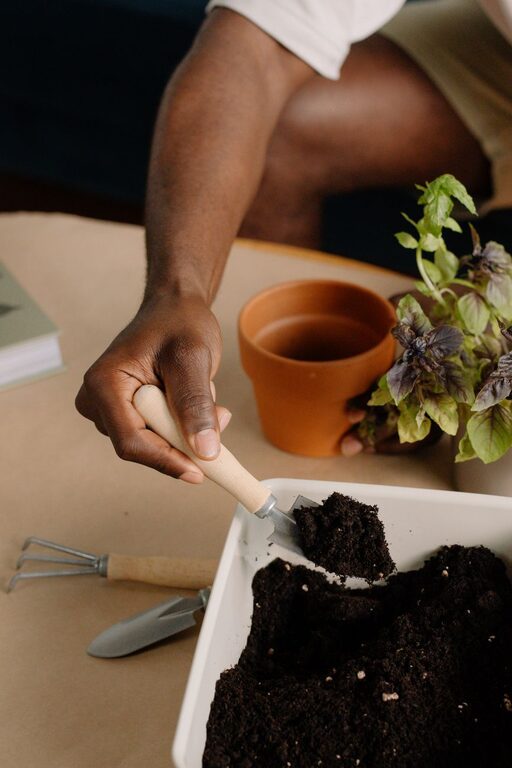
Starting an indoor herb garden is a rewarding way to bring fresh flavors into your kitchen and add a touch of greenery to your home. Whether you have a spacious kitchen counter or just a sunny windowsill, growing herbs indoors is easier than you might think. In this guide, we’ll walk you through everything you need to know to start a small herb garden indoors successfully.
Why Grow Herbs Indoors?
Growing herbs indoors offers many benefits:
– Freshness: Harvest herbs right when you need them, ensuring maximum flavor.
– Convenience: No trips to the store or worrying about herb availability.
– Space efficiency: Even small apartments can accommodate a few pots.
– Year-round growth: Protect your plants from harsh weather conditions.
– Aesthetic appeal: Herbs can enhance your home decor with their green leaves and pleasant scents.
Choosing the Right Herbs for Indoor Gardening
Not all herbs thrive indoors, so it’s important to pick varieties suited to indoor conditions. Here are some beginner-friendly options:
– Basil: Prefers warm, sunny spots and regular watering.
– Parsley: Grows well with moderate sunlight and consistent moisture.
– Mint: Easy to grow but can be invasive, so keep it in its own container.
– Thyme: Requires good light and well-drained soil.
– Chives: Tolerant of varying light and temperature but prefers some sunlight.
– Oregano: Likes sunny locations and drier soil between waterings.
– Cilantro: Prefers bright light but can bolt quickly in heat, so keep indoors cool.
Selecting Containers and Soil
Containers
Choose containers with drainage holes to prevent waterlogging. Options include:
– Small pots made from clay, ceramic, or plastic.
– Recycled containers like teacups or jars (just add holes).
– Window boxes or planter trays for grouping several herbs.
Soil
Use a high-quality potting mix designed for indoor plants. Avoid garden soil, which may be too dense and contain pests. Look for soil that:
– Drains well but retains some moisture.
– Contains organic matter like peat moss or coconut coir.
– Is free from fertilizers so you control feeding.
Finding the Perfect Spot for Your Herb Garden
Most herbs need at least 6 hours of bright, direct sunlight daily. Consider these locations:
– A south-facing windowsill (ideal in the Northern Hemisphere).
– Near an east or west-facing window with plenty of natural light.
– Under grow lights if natural light is insufficient (especially in winter months).
Ensure air circulation is good, but avoid placing plants near cold drafts or heating vents.
Planting Your Herbs
You can start your herb garden from seeds or small starter plants. Here’s how:
From Seeds
- Fill the container with potting mix, leaving about an inch from the top.
- Sprinkle seeds evenly but not too densely.
- Cover lightly with soil (check seed packet for depth).
- Water gently to moisten soil.
- Cover with plastic wrap or a dome to create humidity until seeds sprout.
- Remove cover once seedlings appear.
- Fill container with potting mix.
- Remove plants gently from their nursery pots.
- Place each plant in a hole slightly larger than the root ball.
- Press soil firmly around roots.
- Water well.
From Starter Plants
Caring for Your Indoor Herb Garden
Watering
– Water when the top inch of soil feels dry.
– Avoid overwatering; soggy soil leads to root rot.
– Use room-temperature water.
Light
– Rotate plants every few days to ensure even growth.
– If using grow lights, keep lights on for 12-16 hours per day.
Feeding
– Use a diluted liquid fertilizer every 2-4 weeks during active growth.
– Follow package instructions carefully.
Pruning and Harvesting
– Regularly pinch off leaves to encourage bushier growth.
– Harvest leaves in the morning for best flavor.
– Avoid removing more than one-third of the plant at once.
Pest Control
– Check leaves regularly for pests like aphids or spider mites.
– Wipe leaves with a damp cloth or use natural insecticidal soap if needed.
Troubleshooting Common Issues
– Leggy plants: Not enough light; move to a sunnier spot or add supplemental lighting.
– Yellowing leaves: Overwatering or nutrient deficiency.
– Wilting: Underwatering or root problems.
– Slow growth: Could be due to lack of light or poor soil quality.
Expanding Your Indoor Herb Garden
As you gain confidence, consider adding more varieties or experimenting with vertical planters and hydroponic setups. Mixing herbs with edible flowers or companion plants can also brighten your indoor garden.
Final Tips for Success
– Be patient—herbs may take a few weeks to establish.
– Keep notes on watering schedules and sunlight exposure.
– Clean pots and tools to prevent disease.
– Enjoy the process and the fresh flavors that your indoor herb garden provides!
Starting a small herb garden indoors is a fun and satisfying project that anyone can do. With the right care and attention, you’ll have fresh herbs at your fingertips to enhance your cooking and home environment all year round. Happy gardening!