
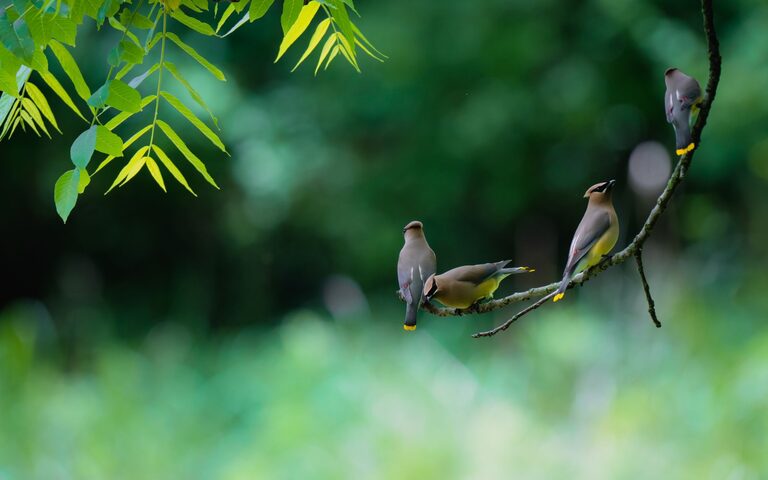
Birdwatching is a rewarding hobby that connects you with nature and brings a little piece of the wild right to your backyard. Whether you live in a bustling city or a quiet suburb, watching birds can be a peaceful and educational experience. If you’re new to birdwatching, this guide will offer practical tips to help you get started and make the most of your time observing these fascinating creatures.
Why Birdwatch in Your Backyard?
Birdwatching doesn’t require expensive equipment or long trips. Your backyard can become a haven for birds and a perfect spot for watching them. It promotes mindfulness, offers a fun way to learn about wildlife, and can be a relaxing hobby for people of all ages.
Getting Ready: Essential Equipment for Beginners
While birdwatching can be as simple as looking out your window, having some basic tools can enhance your experience.
– Binoculars: A good pair of binoculars helps you see birds clearly without disturbing them. Look for lightweight models with 7x to 10x magnification for beginners.
– Field Guide or App: A bird identification guidebook or mobile app can help you recognize species by their appearance, songs, and behavior.
– Notebook and Pen: Keeping notes about what you see can improve your identification skills and create a personal birdwatching journal.
– Camera (Optional): If you enjoy photography, a camera with a zoom lens allows you to capture bird images to study later.
Creating a Bird-Friendly Backyard
Attracting birds to your yard involves providing food, water, shelter, and safe spaces.
Food
Different birds prefer different foods. Stock a variety of feeders to attract diverse species:
– Seed Feeders: Black oil sunflower seeds are favorites for many birds. Tube feeders and hopper feeders work well for seed.
– Suet Feeders: Suet cakes are great for insect-eating birds like woodpeckers and chickadees.
– Nectar Feeders: For hummingbirds, use nectar feeders filled with a sugar-water mixture.
– Ground Feeders: Scatter cracked corn or millet on the ground to attract sparrows and doves.
Remember to clean feeders regularly to prevent mold and disease.
Water
Birds need water for drinking and bathing. A birdbath or shallow dish filled with fresh water will encourage visits. Place it in a safe, visible location, and change the water frequently.
Shelter
Plants such as shrubs, trees, and native plants provide shelter and nesting sites. Consider planting bushes that produce berries or seeds, which serve as natural food sources.
Safety
Keep cats indoors to protect visiting birds. Avoid using pesticides or chemicals that could harm wildlife.
Learning to Identify Birds
Identifying birds is part of the fun. Here are some tips to help you get started:
– Observe Size and Shape: Note the bird’s overall size and body shape.
– Look at Color and Patterns: Colors and markings on the wings, head, and body are key clues.
– Watch Behavior: Notice how the bird moves, feeds, and interacts with others.
– Listen to Calls and Songs: Bird sounds can be distinctive identifiers.
– Use Field Guides or Apps: Compare your observations to photos and descriptions.
Start with common backyard birds like robins, blue jays, cardinals, finches, and sparrows. Over time, you’ll become more confident recognizing less familiar species.
Best Times for Birdwatching
Bird activity varies throughout the day and seasons.
– Early Morning: Birds are often most active shortly after sunrise.
– Late Afternoon: Another active time as birds feed before dusk.
– Seasonal Changes: Spring and fall migrations bring different species. Winter can be a good time to watch feeder visitors.
Try to spend regular time outside, even if just for a few minutes, to increase your chances of sightings.
Respecting the Birds and Their Environment
Responsible birdwatching helps protect wildlife:
– Keep a respectful distance to avoid disturbing birds.
– Avoid handling or interfering with nests.
– Use binoculars to observe without causing stress.
– Follow local regulations regarding wildlife.
Joining a Community
Birdwatching is more fun when shared. Consider:
– Joining local birdwatching groups or clubs.
– Participating in citizen science projects like bird counts.
– Sharing your experiences and photos on social media or blogs.
Connecting with others can enhance your skills and enjoyment.
Final Thoughts
Backyard birdwatching is an accessible hobby that combines curiosity, patience, and appreciation for the natural world. By creating a welcoming environment and learning to identify birds, you can enjoy hours of entertainment and peace right at home. Start small, observe carefully, and watch as your backyard becomes a lively bird sanctuary.
Happy birdwatching!