
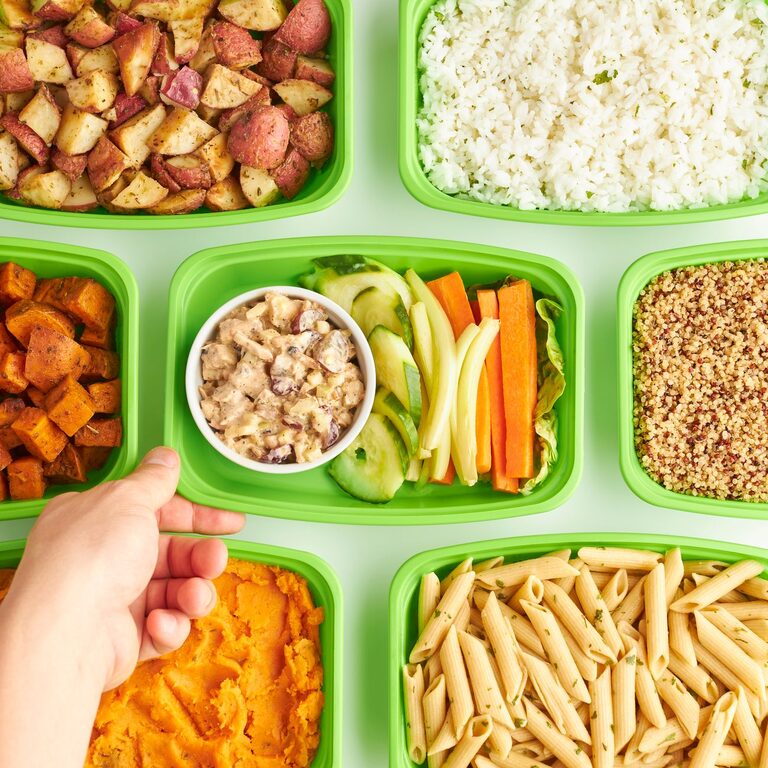
Planning your meals for the week can seem overwhelming at first, but with a few simple strategies, you can create a weekly meal plan that saves time, reduces stress, and supports healthy eating habits. Whether you’re cooking for one or feeding a family, a well-crafted meal plan helps you stay organized and make better choices. In this guide, we’ll walk you through how to create a simple weekly meal plan step-by-step.
Why Create a Weekly Meal Plan?
Before diving into the how, it’s helpful to understand the benefits of meal planning:
– Saves time: No more last-minute scrambling to figure out what to cook.
– Reduces food waste: Buying only what you need means less food thrown away.
– Saves money: Planning allows for smarter grocery shopping and fewer takeout meals.
– Supports healthier eating: Intentional planning helps balance meals with fruits, vegetables, and proteins.
– Decreases stress: Knowing what’s for dinner eliminates daily decision fatigue.
Step 1: Assess Your Week Ahead
Start by taking a look at your upcoming week to determine how many meals you need to plan for. Consider:
– How many breakfasts, lunches, and dinners will you prepare at home?
– Are there any social events or dinners out to account for?
– How much time do you have for cooking each day?
This initial assessment helps you set realistic expectations and plan accordingly.
Step 2: Choose Your Meals
Select simple meals that fit your schedule and taste preferences. Here are some tips:
– Keep it simple: Focus on recipes with minimal ingredients and preparation time.
– Use versatile ingredients: Plan meals that share ingredients to reduce shopping and waste.
– Balance your diet: Include proteins, whole grains, fruits, and vegetables.
– Include leftovers: Plan meals that yield leftovers for lunch or another dinner.
Example Weekly Meal Ideas
| Day | Breakfast | Lunch | Dinner |
|———–|———————|————————|————————|
| Monday | Oatmeal with fruit | Turkey sandwich | Baked chicken with rice|
| Tuesday | Yogurt and granola | Leftover chicken salad | Stir-fried veggies & tofu|
| Wednesday | Smoothie | Quinoa salad | Pasta with marinara |
| Thursday | Eggs and toast | Soup and sandwich | Grilled fish and salad |
| Friday | Pancakes | Leftover pasta | Homemade pizza |
| Saturday | Bagel and cream cheese| Chicken wrap | Tacos |
| Sunday | French toast | Salad with nuts | Roast beef and veggies |
Step 3: Write Your Meal Plan
Create a written plan using a notebook, planner, or a digital tool. Include:
– Meals for each day (breakfast, lunch, dinner)
– Snacks if applicable
– Notes on any prep steps or ingredients needed in advance
Having a clear plan keeps you accountable and makes shopping more efficient.
Step 4: Make a Detailed Grocery List
Once your meals are chosen, write a grocery list organized by category:
– Produce
– Dairy
– Meat and fish
– Pantry staples (grains, beans, sauces)
– Frozen items
Check your kitchen before shopping to avoid buying duplicates.
Step 5: Prep Ahead When Possible
Spend some time prepping ingredients in advance to make cooking easier during the week:
– Chop vegetables and store in containers.
– Cook grains or proteins in bulk.
– Portion snacks and lunches.
Prepping ahead can cut down daily cooking time significantly.
Step 6: Stay Flexible and Adjust
Meal plans don’t have to be rigid. If something changes:
– Swap meals around as needed.
– Use leftovers creatively.
– Keep some quick and easy meals on hand for busy days.
The goal is to make mealtime easier, not stressful!
Additional Tips for Successful Meal Planning
– Use theme nights: For example, Meatless Mondays or Taco Tuesdays simplify decisions.
– Involve the family: Let everyone pick a meal for the week.
– Keep a recipe list: Track favorites for future plans.
– Batch cook and freeze: Prepare meals in larger quantities and freeze portions.
– Use apps or printables: Tools like meal planners or grocery apps can help organize your plan.
Conclusion
Creating a simple weekly meal plan is a practical way to improve your cooking routine, eat healthier, and save time and money. Start small, keep it flexible, and adjust as you go. With a little planning, mealtime can become one less thing to worry about in your busy week.
Happy cooking!