
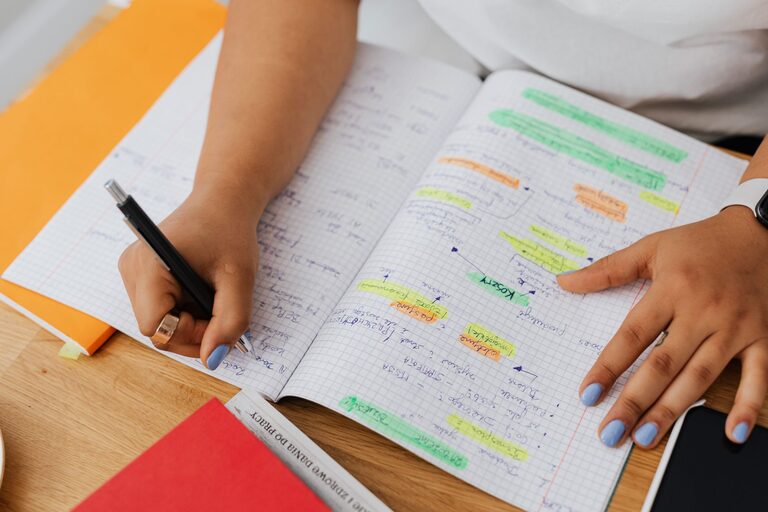
Choosing the right notebook can transform the way you organize your thoughts, plan your days, or unleash your creativity. However, with so many options available, picking one that you’ll actually use and enjoy can feel overwhelming. Whether you want a notebook for work, journaling, or creative projects, this guide will help you find the perfect match.
Why Choosing the Right Notebook Matters
A notebook is more than just a stack of paper bound together. It’s a tool that supports your productivity, creativity, and personal growth. Using a notebook you like encourages consistent writing or planning, making it easier to build habits and track your progress. On the other hand, a notebook that doesn’t fit your style or needs might end up unused, wasting both money and opportunity.
Consider Your Purpose
Before selecting a notebook, think about what you’ll use it for. Your purpose influences the size, layout, paper type, and binding that will work best.
Common Notebook Uses
– Note-taking: For students or meetings, you might prefer wide-ruled or college-ruled pages with sturdy binding.
– Journaling: Blank or dotted pages offer freedom for writing and sketches.
– Planning: Structured layouts with calendars or to-do lists help keep you on track.
– Creative work: Sketching, bullet journaling, or mixed media requires thicker paper and flexible page formats.
Choose the Right Size
Size is a key factor in how often you’ll carry and use your notebook.
– Pocket-sized (A6 or smaller): Highly portable, great for quick notes or on-the-go ideas.
– Medium (A5): A popular size that balances portability with enough writing space.
– Large (A4 or letter): Ideal for detailed work or extensive note-taking but less portable.
Ask yourself if you want to keep your notebook in a bag or on your desk. Smaller notebooks encourage frequent use due to convenience, while bigger ones suit more elaborate work.
Decide on Paper Type and Quality
The paper’s feel and quality can greatly affect your writing experience.
Paper Weight and Texture
– Lightweight paper (around 70-80 gsm): Suitable for everyday writing but may let ink bleed through.
– Heavier paper (90 gsm or more): Better for fountain pens, markers, or mixed media; reduces bleed and feathering.
Paper Color and Layout
– White: Bright and clean, works for any type of ink.
– Cream or off-white: Softer on the eyes, preferred by many writers.
– Ruled, dotted, grid, or blank: Choose based on whether you prioritize writing, drawing, or organizing.
Binding Types: Pros and Cons
How a notebook is bound affects durability and writing convenience.
– Spiral-bound: Lies flat easily and allows page removal, but spirals can get bent.
– Stitched or sewn: Durable and elegant, often lies fairly flat but no page removal without damage.
– Perfect bound (glued): Sleek and professional, but may not open fully flat.
– Hardcover vs. softcover: Hardcovers protect pages better, while softcovers are lighter and more flexible.
Consider Additional Features
Some notebooks come with extras that enhance usability.
– Built-in bookmarks or elastic closures: Help keep your place and secure your notebook.
– Pockets or folders: Useful for storing receipts, notes, or loose papers.
– Numbered pages or index: Helpful for bullet journaling or study notes.
– Perforated pages: Allow easy removal without damaging the notebook.
Think about what features will support your workflow or make using the notebook more enjoyable.
Test Before You Buy
Whenever possible, test the notebook in person. Feel the paper, try writing on it with your preferred pen, and see how it lays flat. If you shop online, read reviews focusing on paper quality and durability.
Tips for Making the Most of Your Notebook
Once you’ve chosen your notebook, here are some tips to keep you motivated to use it:
– Start with a goal: Define why you’re using it to stay focused.
– Keep it accessible: Carry your notebook or keep it on your desk.
– Create a habit: Set aside a few minutes daily or weekly for note-taking or journaling.
– Personalize it: Add stickers, doodles, or tabs to make it visually appealing.
– Review regularly: Go back through your notes to find insights and stay engaged.
Final Thoughts
Finding a notebook that fits your lifestyle and needs isn’t about picking the most expensive or trendiest option. It’s about matching the notebook’s qualities to your personal preferences and purpose. By considering size, paper, binding, and features, you’ll increase the chances of choosing a notebook you’ll actually enjoy using every day.
Happy notebook hunting!